


Why Schools Are Replacing Phone Lockers with Lockable Phone Pouches

Phone lockers vs pouches: here’s why schools are switching to lockable pouches for simpler, more secure phone storage and easier daily management.
Because a genuinely phone-free learning environment is now essential, ‘secure phone storage schools’ can choose from several approaches. Traditional phone lockers have been used to keep pupils’ devices safe during the school day, but an increasing number of schools are considering a different model: individual lockable phone pouches.
So, when comparing phone lockers vs pouches, why are schools making the switch? The answers focus on security, accessibility, administration and the practicalities behind managing hundreds of phones every day.
Phone lockers vs pouches: What is the difference?
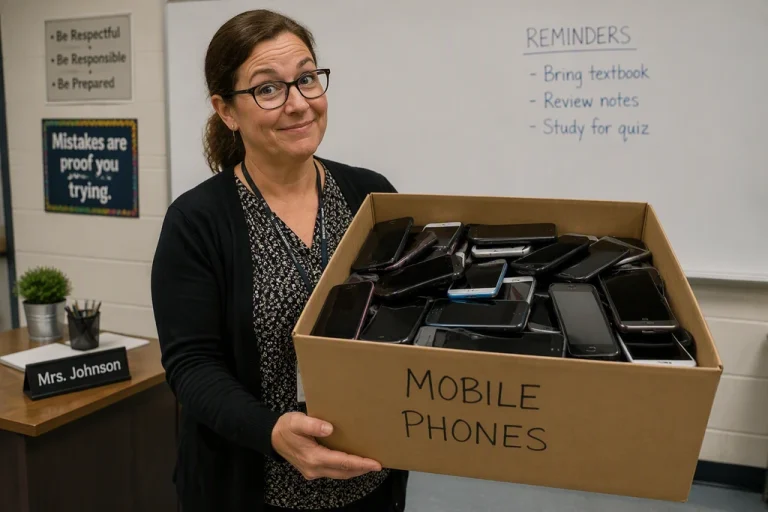
The fundamental difference is simple. A phone locker system means that pupils hand their phones in for storage in a designated locker, cabinet or storage area. The school is responsible for keeping track of the devices and returning them when required.
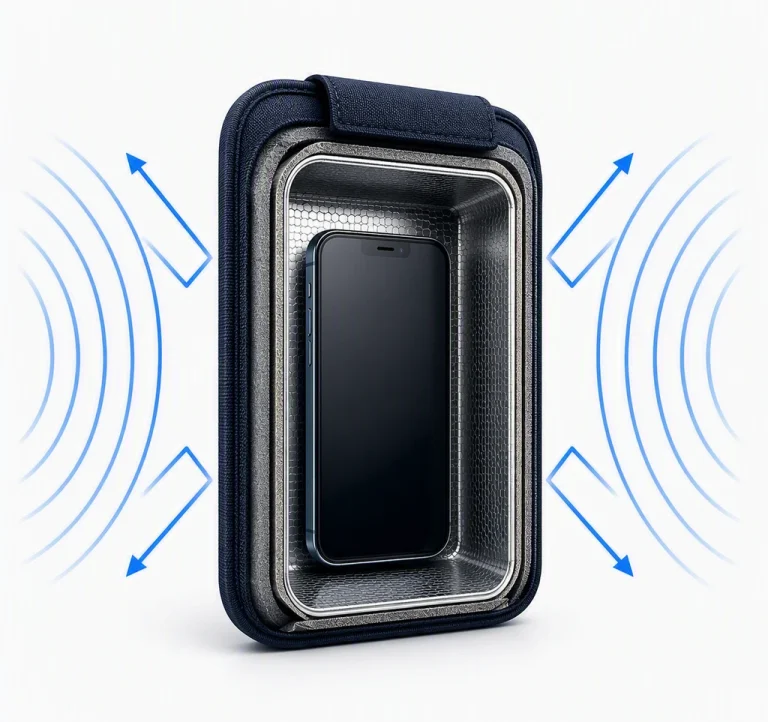
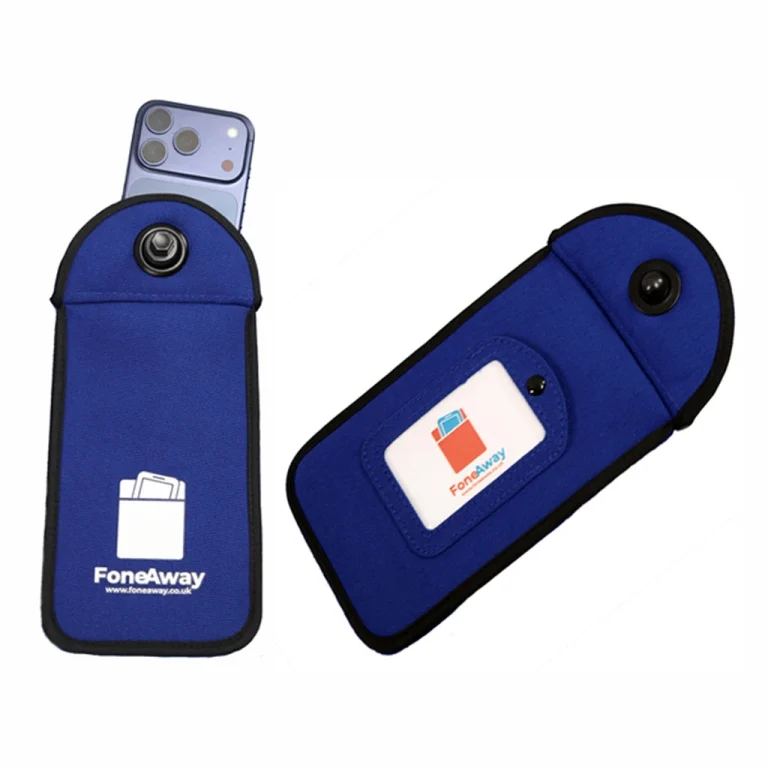
A lockable phone pouch, by contrast, lets pupils keep their phone with them. The phone goes inside the pupil’s allocated pouch, which is then locked. The device stays inaccessible until the pouch is unlocked. This changes the school’s role profoundly, from storing individual devices to controlling access to them.

1. Pouches remove the need for large-scale phone storage
One of the biggest benefits of pouches is that schools don’t need to find, install and manage a dedicated storage location for every pupil’s phone. With individual pouches, each pupil has their own secure container.
In contrast lockers mean a school needs sufficient capacity for its entire pupil population, as well as a process for allocating lockers, dealing with forgotten phones, managing damaged or misplaced devices and reuniting the right phones to their rightful owners. The UK Department for Education has highlighted a school using this approach, which frees schools from the need for complex infrastructure as well as dramatically reducing day-to-day admin.
2. Pupils remain responsible for their own phones
A locker-based system transfers responsibility for the physical storage of phones to the school. But what happens if a phone is lost or damaged while it is stored? And are there any insurance implications for the school?
A pouch provides a physical barrier without requiring the school to look after a great many expensive personal devices. This is particularly attractive to schools wanting to maintain a clear distinction between restricting phone use and taking responsibility for the phones themselves.
3. Pouches can make the school day easier to manage
A successful phone policy must work smoothly day in, day out, not just look good on paper. With lockers, schools need simple, reliable systems and procedures for:
- Collecting phones
- Allocating storage
- Supervising deposits
- Returning phones
- Dealing with late arrivals
- Managing pupils leaving early
- Handling forgotten or misplaced devices.
Individual lockable phone-pouches are simpler:
- Phone in
- Pouch locked
- Pupil carries it
- Pouch unlocked at the end of the day
This neatly meets the government’s requirement for a mobile phone system to be both consistent and easy to understand.
4. Pouches keep phones secure without making them inaccessible to the pupil
This is probably the biggest philosophical difference between the two systems. A locker says: Your phone stays here. A pouch says: Your phone stays with you, but you cannot use it. Parents might want their children to have a phone for the journey to and from school. Many people feel a strong emotional connection with their phone. A pouch creates a useful compromise.
The DfE’s school case studies specifically identify this benefit, noting that a pouch-based approach can maintain the idea of safety outside the school gates while still making the school phone-free.
5. Pouches can scale more easily
A phone locker system needs physical capacity, with extras needed if pupil numbers rise. If a school has 1,200 pupils, it potentially needs storage capacity for 1,200 devices. Individual pouches don’t need a corresponding wall of lockers, making them particularly attractive to large secondary schools, academies and MATs looking for a system that can be introduced consistently across different sites.
The procurement market is also increasingly reflecting this shift. In 2026, for example, BlueLight Commercial has launched a national framework specifically covering lockable mobile phone pouches and unlocking equipment for schools across England and Wales.
6. The focus is shifting from phone storage to phone access
Traditional lockers provide a storage solution. Lockable pouches are an access-control solution. For schools who simply want to keep phones somewhere safe, and small schools with fewer pupils, lockers may still be appropriate. Where the objective is a consistent phone-free environment while letting pupils keep devices, individual lockable pouches provide more flexibility.
Recent research from King’s College London is interesting. Its 2025–26 pilot study found that introducing lockable smartphone pouches in secondary schools in Northern Ireland reduced smartphone use in schools.
Phone lockers vs pouches: Which is right for your school?
There is no single solution for every school. The right choice depends on the school’s size, infrastructure, safeguarding needs, behaviour policy and how much responsibility it wants to take for pupils’ devices. For schools asking whether they really need to store hundreds of phones when they could simply secure access to them, lockable pouches are increasingly compelling.
At a glance…
| Phone lockers | Lockable phone pouches |
| Phones stored away from pupils | Phones stay with pupils |
| Dedicated storage space | Minimal infrastructure |
| School takes greater responsibility | Pupils are responsible |
| Collection and return requires administration | Simple lock/unlock routine |
| Storage capacity must match pupil numbers | One pouch per pupil |
| A storage solution | An access-control solution |
For schools considering the move, FoneAway provides lockable phone pouches designed around the practical realities of creating a distraction-free school environment. They give schools a way to secure phones without turning phone management into another major administrative task.
FAQs
Here are some quick answers to some of the most frequently asked questions about the secure phone pouches and lockers for schools.
Click here to see more FAQs relevant to mobile phones in schools.