



• How Entertainment Venues Are Creating Phone-Free Experiences

    Discover how theatres, concert venues and other entertainment venues are creating phone-free experiences with secure, lockable mobile phone pouches. For theatres, concert halls, circuses, comedy venues, gig spaces, cinemas and other entertainment spaces, an immersive experience increasingly means managing the way people use their mobile phones. Lockable phone pouches give venues a practical way to control mobile phone access while letting people keep their devices on them. From bright screens and ringing phones to unauthorised filming and social media use, mobile devices  interfere with people’s pleasure, distracting both the audience and performers. A well-managed phone-free policy helps venues protect the ambience in a simple, straightforward way that suits everyone concerned. Why Are Entertainment Venues Going Phone-Free? Picture this. You’re deeply immersed in a West End…

  • Beyond Schools: Where Else Are Lockable Phone Pouches Used?

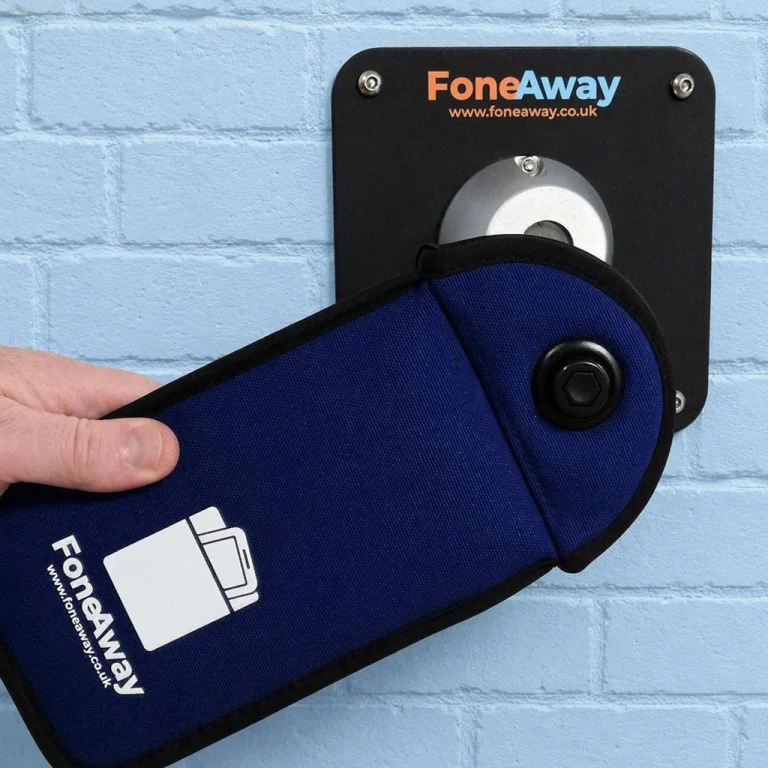
    Find out how phone pouches for events, concerts and workplaces help organisations control mobile phone use, reduce disruption and protect privacy. Lockable phone pouches aren’t just for schools. They’re also used by businesses, event organisers, concert venues, theatres and other organisations where unrestricted mobile phone use can cause distraction, disruption, security concerns and privacy issues. A lockable phone pouch provides a simple way to restrict access to a phone without physically taking it  away from its owner. The phone is securely locked inside the pouch, which users keep on them until authorised access is provided by those in charge of the unlocking tech.  For organisations wanting a practical alternative to collecting, storing or banning mobile phones outright, it’s a highly effective middle ground. So, where…

  • Phone-Free Schools: Answers to Parents’ Most Common Questions

    A practical parents guide to school phone policies including phone bans, phone pouches, exemptions, contacting children and more. Mobile phones are embedded in our everyday life. They are amazing pieces of tech, giving us an instant  window into the total sum of human knowledge. On the other hand we all know how hard it is to ignore a phone’s constant notifications and alerts, and how disruptive they can be.   The role of phones in schools changed significantly at the start of September 2026 when new Department for Education guidance said all schools had to implement a mobile phone policy. For parents, the policy their child’s school puts in place can raise a variety of practical questions: This parents’ guide to phone policies explains what…

  • Michael Faraday and the Science Behind Signal Blocking Phone Pouches

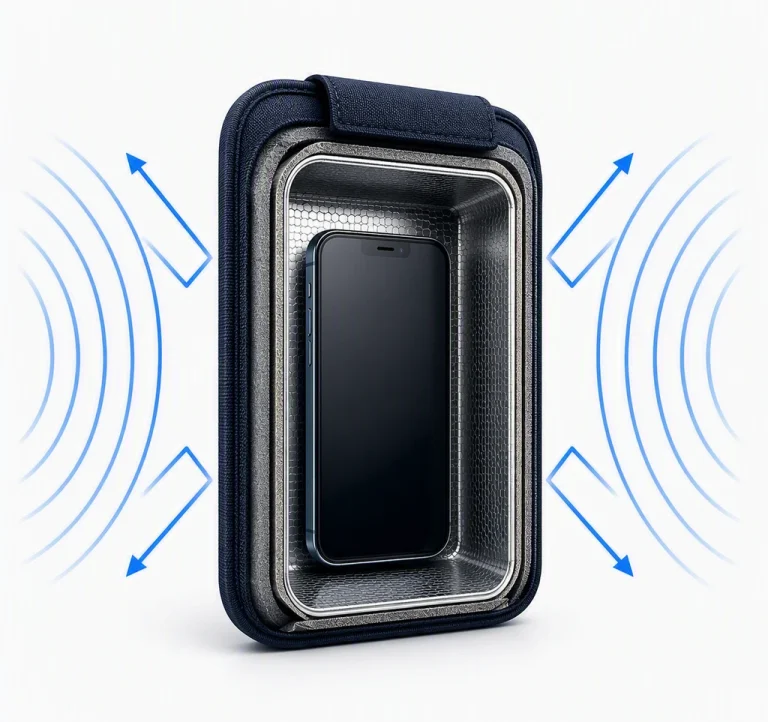
    Discover how Michael Faraday’s work on electromagnetic fields led to Faraday cages and the technology behind signal blocking phone pouches. Michael Faraday was one of the most important figures in the development of modern electrical technology. His experiments with electricity, magnetism and electromagnetic fields led to discoveries that still influence the tech we use today, including the principle behind signal blocking phone pouches. You might not naturally connect an 1800s British scientist with a modern mobile phone pouch, but the connection is surprisingly direct. The technology used to stop a mobile phone communicating with the outside world is based on a scientific principle called a Faraday cage. Faraday demonstrated the principle nearly 200 years ago, showing how enclosing something inside a conductive enclosure can shield…

  • Why Schools Are Replacing Phone Lockers with Lockable Phone Pouches

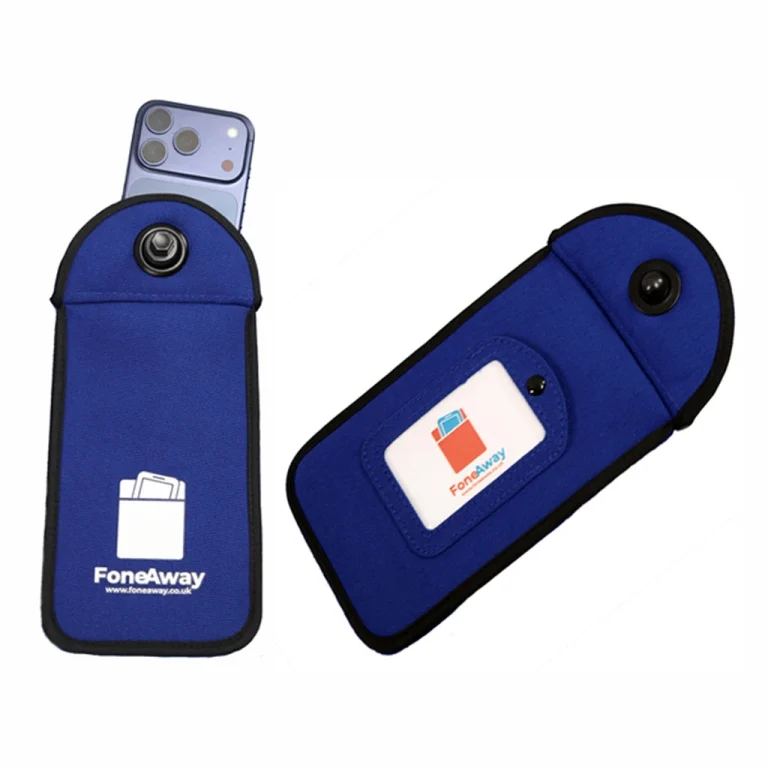
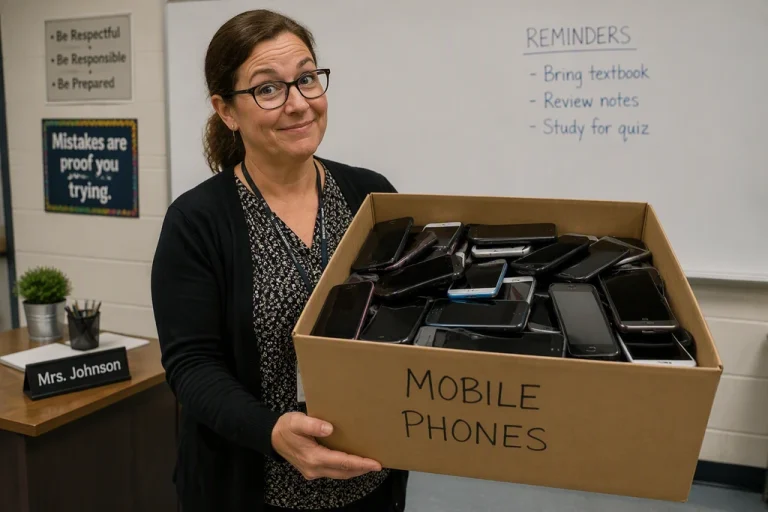
    Phone lockers vs pouches: here’s why schools are switching to lockable pouches for simpler, more secure phone storage and easier daily management. Because a genuinely phone-free learning environment is now essential, ‘secure phone storage schools’ can choose from several approaches. Traditional phone lockers have been used to keep pupils’ devices safe during the school day, but an increasing number of schools are considering a different model: individual lockable phone pouches. So, when comparing phone lockers vs pouches, why are schools making the switch? The answers focus on security, accessibility, administration and the practicalities behind managing hundreds of phones every day. Phone lockers vs pouches: What is the difference? The fundamental difference is simple. A phone locker system means that pupils hand their phones in for…

  • Do Phone Bans Improve GCSE Results? What the Research Says

    Do phone bans work? Here’s what research says about phones, academic performance and GCSE results, including evidence from UK schools. For parents the question is ‘do phone bans work?’. If a school removes your child’s smartphone for the entire school day will they concentrate better, learn more and ultimately get better GCSE results? While the research is encouraging, it is a lot more nuanced than a simple yes or no. Evidence from England shows restricting mobile phones can improve academic performance, with the strongest benefits for pupils who are already struggling academically. Research has also found an overall negative relationship between mobile phone use and educational outcomes. On the other hand a phone ban isn’t magic. GCSE results depend on a huge range of things…

  • What Should a School Mobile Phone Policy Include? (Free Checklist)

    What should a school mobile phone policy include? Use our practical checklist to set up a clear, consistent, effective phone-free school policy. A good school mobile phone policy should do more than simply say pupils can’t use their phones. It should explain exactly what is not allowed, when the restrictions apply, and what happens if a pupil breaches the policy. It’s also important to formalise the way any exceptions are managed and pin down how the school will communicate the rules to pupils, parents and staff. The Department for Education’s revised mobile phones in schools guidance expects schools to create a mobile-phone-free environment by default, where pupils don’t access their mobile phones during the whole school day including lessons, between lessons, at breaks and lunchtime….

  • How Signal Blocking Phone Pouches Work

    Find out how signal blocking phone pouches work, including Faraday and RFID tech, and why schools & businesses use them to cut phone distractions. Mobile phones constantly search for networks, Wi-Fi, Bluetooth devices, GPS signals and other wireless connections, often without the user doing anything or knowing about it. It’s precisely what makes smartphones so useful and, on the other side of the coin, so distracting. For schools, businesses and other organisations where mobile phone use needs to be restricted, a signal blocking phone pouch provides an alternative to switching a phone off, asking users to put theirs away or physically confiscating them. But how does signal blocking actually work? This detailed guide explains the technology in straightforward terms, exploring what schools and businesses should…

  • Frequently Asked Questions About School Phone Pouches

    School phone pouch FAQs answered. Discover how lockable phone pouches work, signal blocking, safety, costs, implementation and choosing the right system. School phone pouch FAQs are becoming increasingly important as schools look for practical ways to create genuinely phone-free learning environments. But how do lockable phone pouches work, are they safe, what happens when a pupil needs their phone, and are they really better than simply confiscating devices? For school leaders considering a phone pouch system, these are important questions. With statutory Department for Education guidance on prohibiting mobile phone use in schools now in force in England, effective implementation has become a vital consideration for school leaders. But choosing a system is about much more than simply buying a pouch for every pupil. Schools…

  • 15 Benefits of a Phone-Free School Environment (Backed by Research)

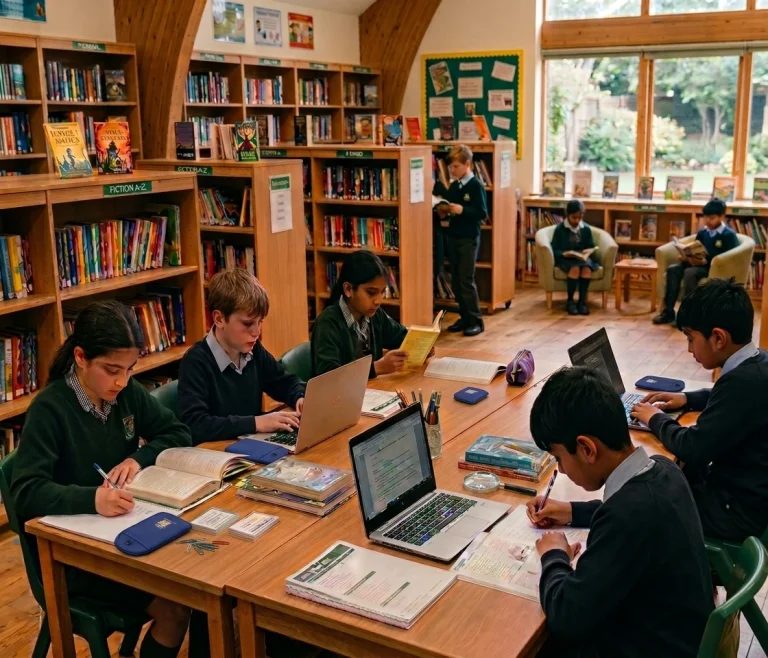
    Discover 15 evidence based benefits of phone-free schools, from better focus and behaviour to safeguarding, social interaction and learning. Mobile phones have become a universal part of modern childhood. They provide a  sense of security for parents, give young people instant access to friends and information, and can be useful educational tools when used appropriately. But there’s an important distinction between having a phone and having unrestricted access to it during the school day, and this sits at the heart of the growing movement towards phone free schools. Research into school smartphone policies is developing rapidly. So far the evidence is nuanced. While there are clear reasons for reducing unnecessary phone access during the school day, particularly around distractions, behaviour and the social environment, there…